What Is The Life Expectancy Of A Liquid Roof?
Homeowners around Rockwall ask this question often after a hailstorm or when a flat section starts to pond water. Liquid roofing has moved from niche fix to mainstream solution across DFW. It seals seams, quiets leaks, and adds years to aging roofs without a full tear-off. Still, service life matters. No homeowner wants a short-term patch. This article explains how long liquid roofs last in North Texas, what shortens or extends their lifespan, and how to tell if a roof is a good candidate. It uses plain language and real field detail, grounded in conditions across Rockwall, Heath, Fate, Rowlett, and wider DFW.
The honest range: 10 to 25 years, based on chemistry and conditions
Most liquid-applied roofing systems in DFW fall into three main chemistries. Acrylic coatings typically last 8 to 12 years before they need a recoat. Silicone systems often reach 15 to 20 years. Polyurethane (often aromatic base with aliphatic topcoat) can reach 12 to 18 years. High-solids silicone and premium polyurethanes, applied at proper thickness with manufacturer-approved details, can push to 20 to 25 years. These numbers assume the roof fits the product’s strengths and the installation follows spec.
In Rockwall and the east side of the Metroplex, hail and temperature swings stress membranes. High-UV summers also punish thin coats. That is why thickness and prep matter more than brand names. A 20-mil acrylic brushed over dirty TPO will not survive the second summer. A 30-plus mil silicone over clean, primed mod-bit with sealed seams can last two decades.
What “life” means for a liquid roof
Service life means the period the coating maintains a watertight surface and adhesion to the substrate. It does not mean the roof looks new at year twenty. Most systems chalk or lose gloss after year three. That is cosmetic. What matters is mil thickness above the fabric and seams, adhesion to the deck, and ability to flex through seasons.
A liquid roof is a system, not just a bucket. Life expectancy depends on the weakest step: cleaning, priming, seam treatment, flashing rebuild, and final millage. If a contractor skips power washing or uses a generic primer, expect early failure at flashing bases and HVAC curbs first.
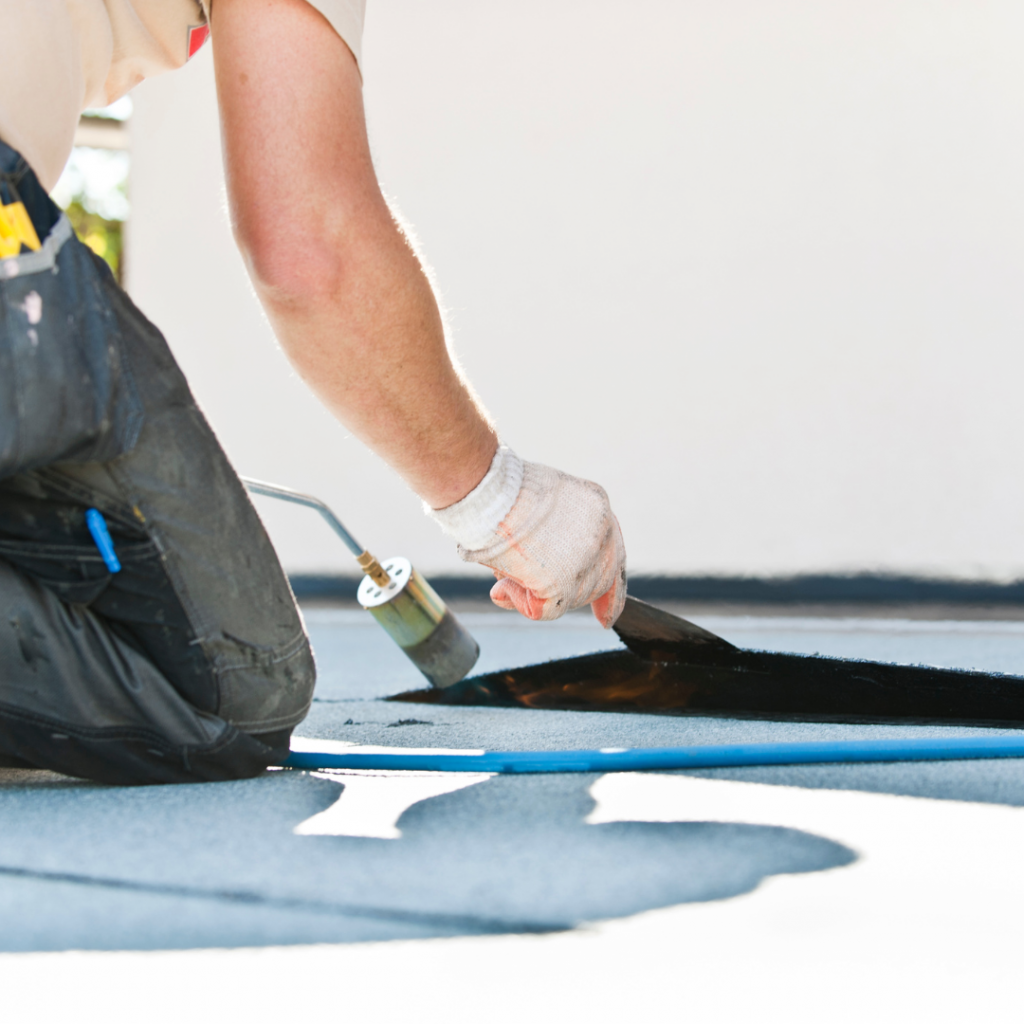
North Texas weather and how it cuts or adds years
High sun load, hail, spring winds, and freeze–thaw swings define liquid roofing in DFW Texas. In July, a black mod-bit roof runs 170°F. Afternoon storms can drop surface temps 60 degrees in minutes. That is a lot of movement. Systems that tolerate ponding, resist UV, and stretch without thinning handle this best.
Silicone stands out on ponding water, common on low-slope sections behind parapets in downtown Rockwall or at shopping centers along Ridge Road. Acrylic can perform very well on positive-slope surfaces and metal roofs where water sheds quickly. Polyurethane shines at high-traffic zones and around mechanical units because it resists abrasion and hydrocarbons better than acrylic. These matches matter more than marketing copy.
Hail is the wild card. Most coatings survive pea to dime-size hail. After a hail event with quarter-size and up, impact points can bruise the coating, especially on foam or over soft layers. A fast inspection and touch-up can save the system. Skipping that can let water migrate under the film, which shortens life.
Substrate type drives longevity
The existing roof type is the other big lever. Liquid roofing forms a “monolithic” surface, but it relies on what sits under it.
- Over metal roofs, silicone and acrylic systems perform very well. Longevity ranges 12 to 20 years in DFW. Metal moves with heat, so correct fastener re-tightening, rust treatment, and seam mastics are critical. If the contractor ignores loose fasteners, life drops.
- Over modified bitumen and built-up roofs, silicone and polyurethane offer 15 to 20 years. Proper bleed-blocking primers over asphalt are non-negotiable. Without bleed blockers, oils migrate up and compromise adhesion over time.
- Over single-ply (TPO, PVC, EPDM), adhesion varies. TPO often needs an etching or epoxy primer. Old EPDM can chalk heavily and needs aggressive cleaning and tie-in fabric at seams. When done right, 10 to 18 years is realistic.
- Over spray foam, topcoats are routine maintenance. Acrylic and silicone both work. Expect 10 to 15 years before a recoat, assuming the foam was applied at 1.5 inches minimum with correct slope and protected from UV during install.
Poor substrates shorten life. Wet insulation, crushed ISO boards, or spongy areas underfoot telegraph and crack coatings. A moisture survey and core cuts tell the truth. Skipping this step sets up disappointment.
Thickness and why the last 10 mils matter
Manufacturers publish minimum dry film thickness for warranties. For example, a 15-year silicone spec may call for 25 to 30 mils dry. A 20-year spec might require 35 to 40 mils. Each additional 5 to 10 mils meaningfully extends life because it delays erosion and maintains a waterproof margin above fabric embeds and seams.
Contractors should confirm wet mils during application with a comb gauge. In the field, SCR, Inc. treats 10 percent over spec as a cushion. Traffic paths near rooftop units often receive an extra pass, because boots and toolboxes wear down coating faster than sun does.
Prep quality predicts lifespan more than product label
In Rockwall, windblown dust and oak pollen stick to roofs. Pressure washing at 3,000 psi with a turbo nozzle, followed by a rinse, makes or breaks adhesion. On asphalt roofs, primers prevent bleed-through. On metal, rust conversion and spot-priming stop underfilm corrosion. Seams need fabric or high-build mastics. Penetrations get new boots or urethane reinforcement. Skipping these steps can cut life in half.
A real anecdote: a 28,000-square-foot metal roof off SH-205 received a white silicone topcoat in 2018. The first contractor sprayed over live rust at panel laps. Two years later, rust grew under the film, lifting edges. SCR, Inc. stripped those seams, treated the rust, applied urethane seam seal, then resprayed. The redone areas now match the rest of the deck with no lifting after three summers.
Warranty terms versus real-world service
Warranties reflect minimum thickness and install steps, but weather and maintenance decide the true outcome. A 10-year material warranty on an acrylic can run out while the coating still performs if recoated at year eight or nine. Silicone warranties often require ponding tolerance statements and specific primers over asphalt. Contractor labor warranties vary from two to five years across DFW. Owners should treat warranties as a baseline and plan for mid-life inspections.
Maintenance rhythm that keeps a liquid roof alive
A liquid roof is low-maintenance, not no-maintenance. Two short visits per year can add years of service.
- Spring: clean drains and scuppers, inspect after hail, reseal cuts at service points, and remove debris.
- Fall: check around HVAC after summer service calls, remove leaves at parapets, and touch up worn walk paths.
Water that stands because of clogged drains shortens life, even for silicone. Walking paths near unit access should receive mats or extra coating. If a contractor framed a warranty around annual inspections, keep the appointments. Small repairs at year three cost little and protect the whole system.
Roof geometry, traffic, and the “DFW factor”
The DFW factor is simple: more sun, more hail, more service visits on rooftop units running long summers. Roofs over restaurants on Goliad Street see grease mist near vents, which breaks down acrylic faster. Silicone holds up better against fats and oils. Office buildings with limited rooftop access and clean exhaust streams see longer life across all chemistries.
Slope matters. Anywhere water sits more than 48 hours will age faster. On buildings with wide roof crickets and well-cut drain sumps, coatings last longer. Where ponding is unavoidable, silicone or a polyurethane topcoat over fabric performs better than acrylic.
Cost versus life: when liquid beats replacement
Owners often compare a liquid system against full replacement. In Rockwall, a full tear-off and new TPO on a low-slope commercial roof can run $8 to $14 per square foot, depending on insulation and code upgrades. A liquid roof generally lands between $3.50 and $7.50 per square foot based on the product, prep, and thickness. If the deck is dry and the insulation is solid, a liquid system offers a strong life-to-cost ratio. If the insulation is wet in large areas, replacement wins long-term because trapped moisture undermines coatings and rusts fasteners.
Homeowners with hybrid roofs see similar decisions. A patio cover in Lakeside Village that ponds water may do best with a silicone system at 30 to 35 mils. A main house roof with steep-slope composition shingles is not a liquid roof candidate; that section needs shingle repair or replacement. Liquid roofing fits best on flat and low-slope areas, porch tie-ins, and metal accents.
Signs a roof is a good candidate in Rockwall and nearby neighborhoods
Most roofs in Rockwall that pass three checks do well with a liquid system: the deck is sound and dry, the slope is modest but serviceable or ponding can be handled with silicone, and penetrations can be rebuilt with long-life details. On homes near Lake Ray Hubbard, winds off the water drive rain sideways. Fabric-reinforced seams and properly cured flashings are the backbone here. Buildings along I-30 face more dirt and vibration; fastener re-tightening matters more.
If a roof feels spongy across wide areas, if water gushes out during core cuts, or if previous coatings delaminate across the field, expect a deeper fix before a liquid system. Honest assessment prevents wasted money.
How installers squeeze more years out of a liquid roof
Experienced installers sequence the job to line up with weather. In July, they apply base work early, let it cure, then return in the cooler morning for topcoat to avoid skinning and pinholes. They watch dew point closely in fall. Application over a damp deck traps moisture and causes blisters later. They document wet mils as they go and photograph every penetration.
Where birds roost on parapets in downtown Rockwall, they add a sacrificial coat near ledges. Where HVAC contractors drag panels across surfaces, they build designated walk pads with extra mils and granules. These small moves often add three to five years.
What shortens life that owners can control
Owners have more influence than they think. Allowing untrained crews to cut into flashing for cable runs, ignoring clogged drains, or storing equipment on the roof shortens life fast. A simple rule helps: if someone works on the roof, they need to call the roofing contractor for a quick check afterward. Ten minutes of inspection catches cuts and gouges.
Bleach and harsh chemicals dumped on the roof during cleaning also damage coatings. Use water, mild detergent, and a soft brush. Avoid power washing at high pressure without guidance; it can erode mil thickness.
Realistic timelines for liquid roofing DFW Texas
Acrylic systems in DFW: plan for 8 to 12 years, with a recoat at year eight to extend to 15-plus. Silicone systems: 15 to 20 years is common, with a check at year ten to plan for touch-ups at penetrations. Premium polyurethane: 12 to 18 years, particularly where foot traffic is high. With correct prep, correct primers, and routine checks, 20 to 25 years is achievable on select roofs, mainly silicone over metal or modified bitumen with enough thickness and clean drainage.
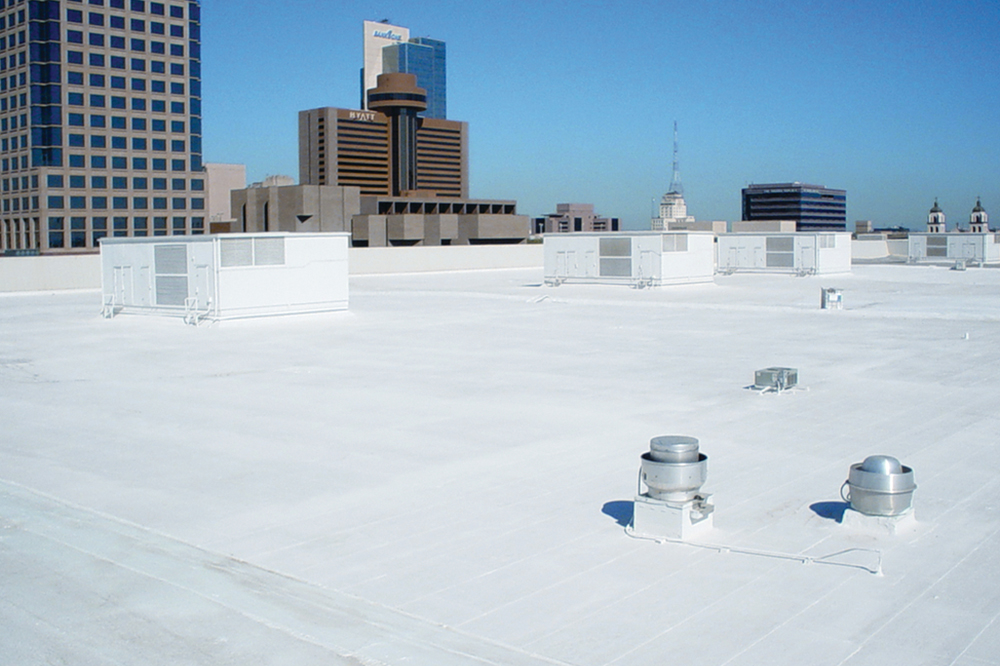
These numbers reflect Rockwall’s climate, hail risk, and local service patterns. A similar system in cooler, cloudier regions might last longer, but homeowners here should plan within these ranges.
Why homeowners in Rockwall choose liquid roofing
They want to stop leaks fast without tearing off insulation. They want cooler interiors; white coatings can drop roof surface temperatures by 60 to 80 degrees on peak days, which reduces strain on HVAC. They want a system that can be renewed. A recoat at mid-life resets the clock for less than half the original cost. For many, that combination beats a full replacement until the deck or insulation ages out.
In neighborhoods like Chandlers Landing, flat roof sections over living areas benefit from silicone’s ponding resistance. In Stone Creek, metal porch roofs get acrylic or silicone to seal fasteners and end-laps while matching the home’s look. Each case points back to fit: chemistry to substrate, thickness to weather, and details to traffic.
A short owner checklist before committing
- Confirm the deck and insulation are dry with a moisture survey or documented core cuts.
- Match the coating chemistry to the roof: silicone for ponding and grease areas, acrylic for positive slope and metal, polyurethane for high-traffic zones.
- Demand documented wet-mil readings and photos of seams, curbs, and drains during install.
- Plan semiannual inspections after major storms and at season change.
- Reserve budget for a mid-life recoat or touch-ups to maintain warranty and service life.
How SCR, Inc. approaches life expectancy on Rockwall roofs
SCR, Inc. General Contractors evaluates roofs for liquid systems across Rockwall, Heath, Fate, Royse City, Rowlett, and the east DFW corridor. The team starts with cores at the worst spots, not just the sunny side. They run adhesion tests with primer samples before committing a full system. They select chemistries for the roof’s geometry and use fabric at stress points that usually fail first. Project managers schedule work around dew point and wind to avoid dust entrapment. After storms, the company offers quick checks for existing clients to catch small issues before they spread.
This field discipline adds years in practice. On a 14,000-square-foot modified bitumen roof near Yellowjacket Lane, a silicone system at 38 mils with reinforced drains and added crickets at problem points has passed five summers without a https://scr247.com/services/liquid-applied-roofing-dfw/ leak. The owner logs semiannual cleanings, which is why the coating still measures over 30 mils in most spots.
When a liquid roof is the wrong choice
There are times SCR, Inc. will advise against liquid roofing. If more than 25 to 30 percent of the insulation is wet, a coating hides a deeper problem and delays the inevitable. If a roof has severe structural deflection that creates lakes across large areas, coatings will not fix the geometry. If code upgrades require insulation changes for energy compliance, a full system replacement can make more sense over the next 20 years. Clear advice saves money and frustration.
Bottom line for Rockwall homeowners
A liquid roof in DFW Texas can reasonably last 10 to 25 years. The exact number depends on product chemistry, substrate condition, film thickness, and ongoing care. The roof with the longest service life is the one matched correctly and installed cleanly, then inspected briefly twice a year. For many Rockwall properties with low-slope sections, liquid systems deliver excellent value and a cooler, quieter interior without the mess of a tear-off.
Homeowners who want a straight answer on life expectancy for their specific roof can schedule a short on-site evaluation. SCR, Inc. General Contractors will check moisture, measure slopes, test adhesion, and map a plan that fits both budget and long-term performance. For service in Rockwall and nearby neighborhoods, call or request a visit online.
SCR, Inc. General Contractors provides roofing services in Rockwall, TX. Our team handles roof installations, repairs, and insurance restoration for storm, fire, smoke, and water damage. With licensed all-line adjusters on staff, we understand insurance claims and help protect your rights. Since 1998, we’ve served homeowners and businesses across Rockwall County and the Dallas/Fort Worth area. Fully licensed and insured, we stand behind our work with a $10,000 quality guarantee as members of The Good Contractors List. If you need dependable roofing in Rockwall, call SCR, Inc. today. SCR, Inc. General Contractors
440 Silver Spur Trail Phone: (972) 839-6834 Website: https://scr247.com/
Rockwall,
TX
75032,
USA
SCR, Inc. General Contractors is a family-owned company based in Terrell, TX. Since 1998, we have provided expert roofing and insurance recovery restoration for wind and hail damage. Our experienced team, including former insurance professionals, understands coverage rights and works to protect clients during the claims process. We handle projects of all sizes, from residential homes to large commercial properties, and deliver reliable service backed by decades of experience. Contact us today for a free estimate and trusted restoration work in Terrell and across North Texas.